Artificial Intelligence is dominating conversations across the rail industry right now. From predictive maintenance to performance optimisation, there is no shortage of discussion about how AI could transform rail operations.
But there is a challenge that often gets overlooked.
At Emu Analytics, we've found that many organisations are eager to explore AI, yet the foundations needed to make it successful are not always in place. Before rail can fully realise the benefits of AI, there are some important realities to consider.
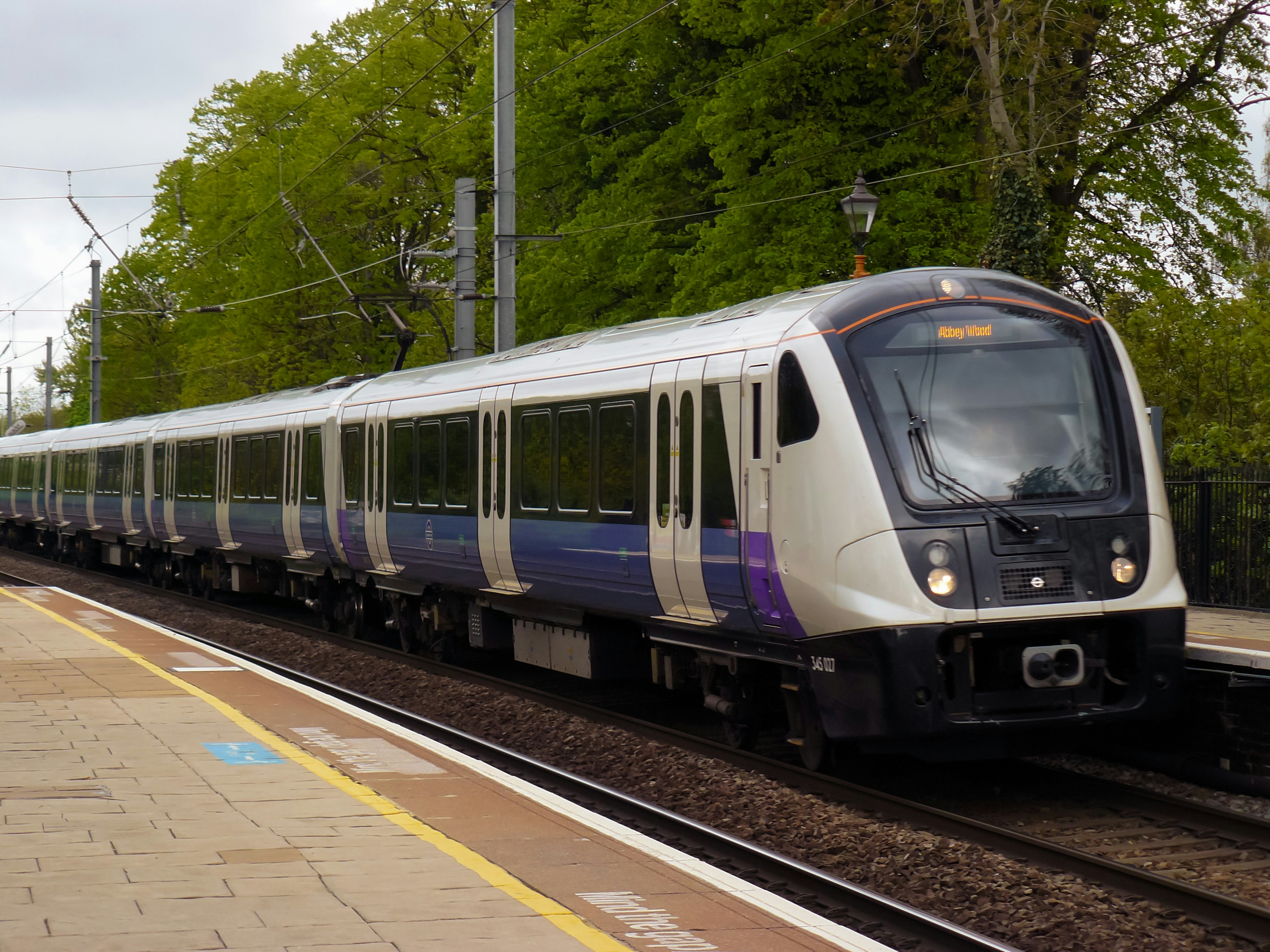
1. AI is only as good as the data feeding it
Throwing AI at incomplete, inconsistent or poorly connected data will produce unreliable results, regardless of how advanced the model is. Quality inputs remain the biggest determinant of quality outputs.
2. You can't optimise what you can't see
Many rail operators have valuable operational data spread across multiple disconnected systems. If AI only has visibility of part of the operation, it can only provide part of the answer.
3. AI doesn't bank your experts' knowledge
Experienced operations and performance teams hold decades of valuable operational understanding. AI can't replace the experts, and when they move on, organisations will be back to square one. Capturing and retaining that knowledge is essential.
4. AI can't make accurate predictions without context
Prediction models require a complete understanding of what is happening across the network. Without full operational visibility, AI and decision-support tools lack the context needed to accurately model real-world conditions.
5. Rail's AI journey doesn't start with AI
The most successful AI initiatives begin with trusted data, connected systems and a deep understanding of operations. AI is not the starting point; it is the next step.
This is where digital twin software play a critical role.
By bringing together operational data from multiple sources into a single real-time view, digital twins help create the foundation that AI needs to deliver meaningful outcomes. They provide the visibility, context and operational understanding required to support more informed decision-making and future AI initiatives.
Our Chief of Product, Jon Dowton, explores this topic in more detail in his latest article for Rail Business Daily, "How digital twins could accelerate rail's AI journey."
In the article, Jon discusses why digital twins are becoming an essential stepping stone for rail organisations looking to move beyond AI experimentation and towards practical, operational value.
If you're interested in how rail can unlock more value from its existing operational data while preparing for an AI-enabled future, it's well worth a read.


.jpg)
.jpg)


%201.svg)
