On-time performance is the headline metric for most rail networks. It’s simple, visible, and easy to report. But it only tells you when a train arrived or departed, not how it got there, or what it disrupted along the way.
And that missing detail matters, because many of the problems that cause delays across the network don’t show up in station arrival data at all.
Most operational reporting is built around stations. If a train arrives and departs within tolerance, it’s recorded as “on time”.
But between those stations, a lot can go wrong.
For example:
Individually, these issues may not trigger an alert or breach a KPI.
But collectively, they can:
By the time a delay is recorded, the root cause is often several miles (and several minutes) away. These hidden delays are sub-threshold delays.
A train may arrive on time but if it:
…it can increase overall delay minutes without ever being labelled as the problem.
Over time, these small issues add up.
The results are very real:
None of these show up in a simple on-time arrival chart.
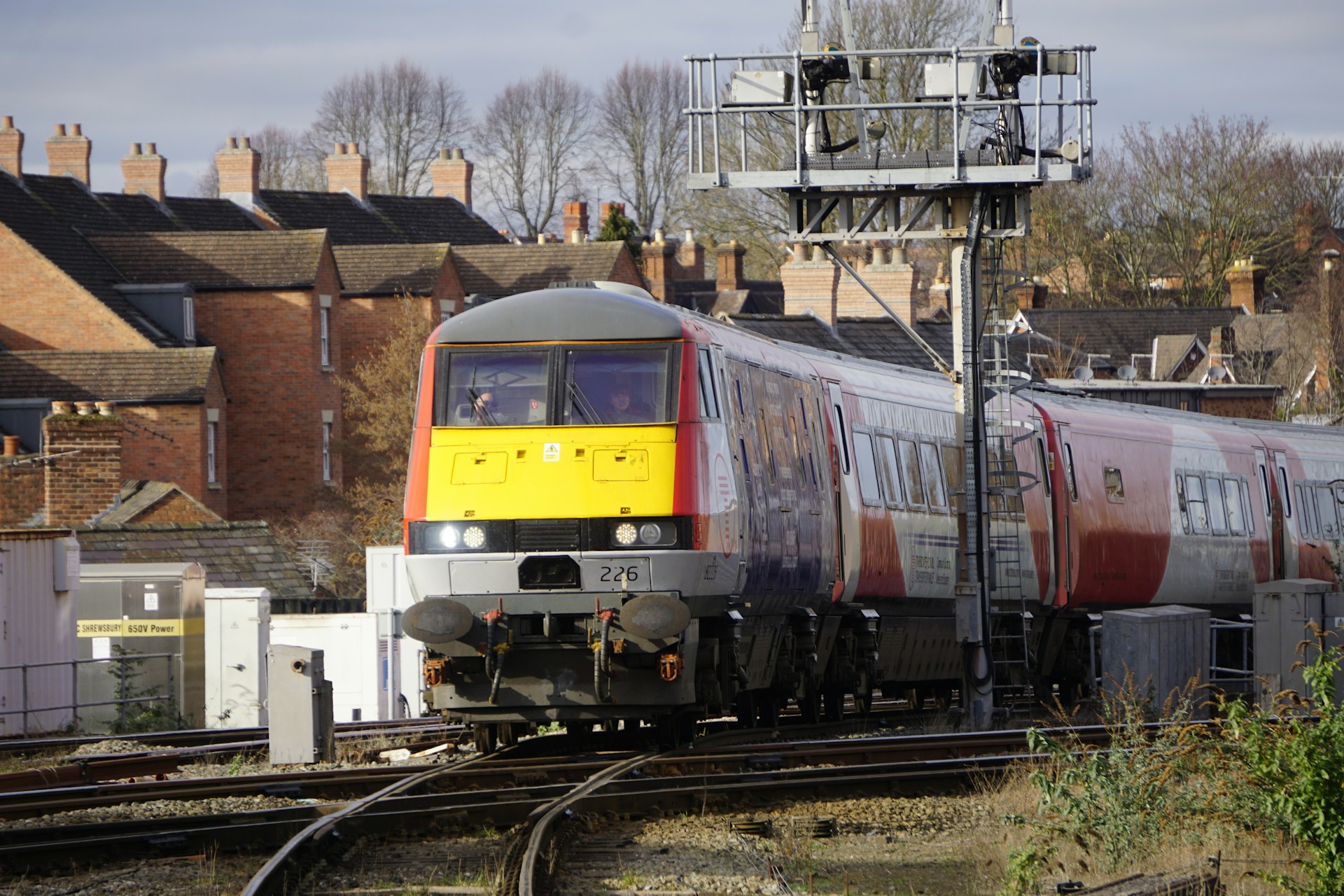
Better performance comes from understanding what happens between stations.
Emu Analytics' software shows rail operators:
This makes it possible to:
In aviation, this approach has reduced turnaround delays and improved schedule reliability by focusing on where time is actually lost. In rail, it’s already helping teams identify the real causes behind “mystery” delays and take more effective action.
On-time arrival will always matter. Passengers care about it, and so do operators.
But a railway that focuses only on station timestamps risks missing the problems that quietly undermine performance every day.
Excellent performance comes from understanding the full journey (including the parts that don’t show up in traditional reports) and fixing issues before they affect everyone else on the network.
Because a train can be on time… and still cause a lot of trouble.
Image credits:
Photo by Mangopear creative on Unsplash


.jpg)
.jpg)


%201.svg)
